
Choose the Pearl Type That Fits Your Style
Most pearls in fine jewelry are cultured. Names such as Freshwater, Akoya, Tahitian, and South Sea reflect the mollusk, growing waters, and region—not a simple quality ranking. Start with the look you want, then compare luster, size, natural color, budget, and how easy the pearls are to match.
Pearl Types at a Glance
Compare the qualities that change how a pearl looks, feels, and fits your budget.
| Pearl Type | Typical Luster | Common Size | Color & Shape | Relative Budget | Matching & Availability |
|---|---|---|---|---|---|
| Freshwater | Soft to bright; broad quality range | About 5mm to 12mm | Widest range, from round to baroque | Most accessible | Easiest range for pairs and strands; widest SUHA selection |
| Akoya | Crisp, bright, mirror-like | 6mm to 9mm | Mostly round, white to cream | Mid to premium | Well suited to classic matched studs and strands |
| Tahitian | Deep, with changing overtones | About 8mm to 15mm | Naturally dark; charcoal, green, silver, peacock | Premium | Exact color matching takes more selection |
| South Sea | Soft, rich, satin-like | About 9mm to 16mm | White, silver, champagne, gold | Highest typical range | Matched strands are less common and costlier |
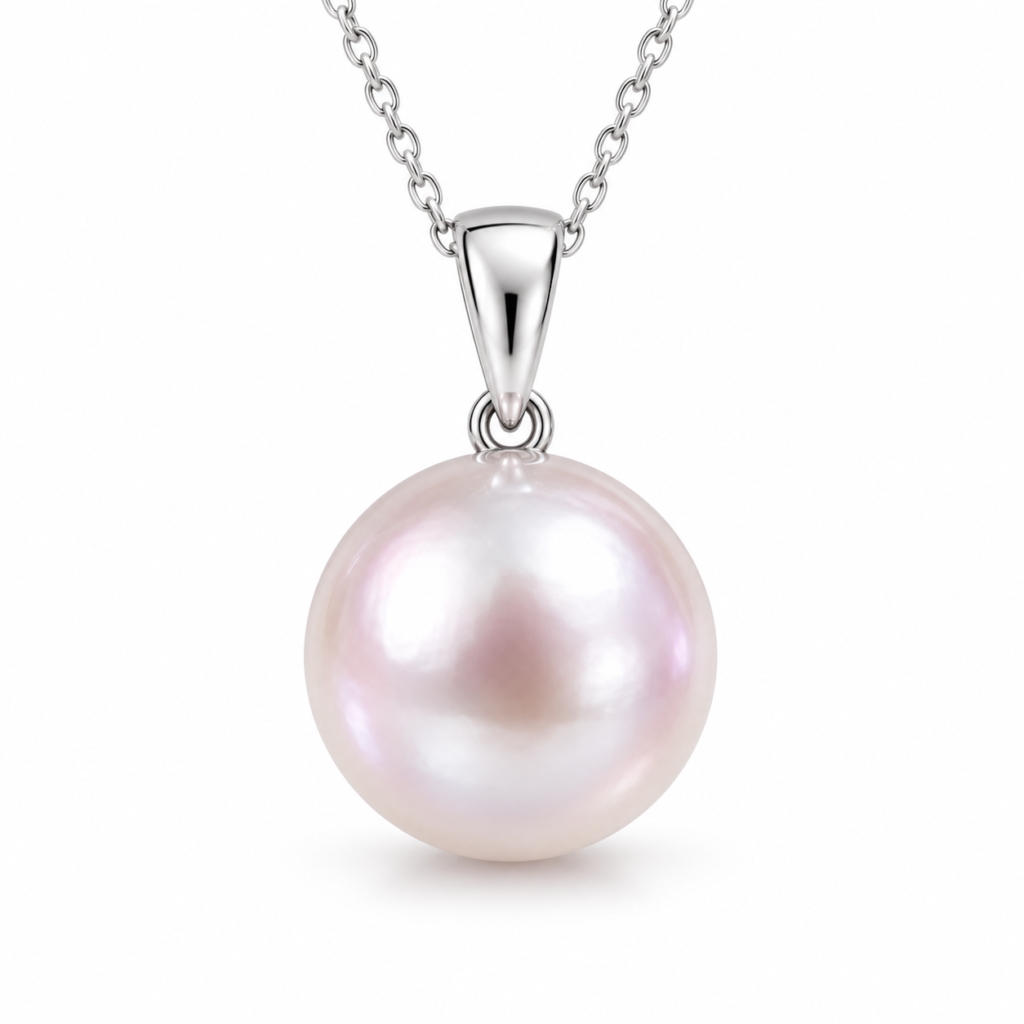
Freshwater Pearls
Freshwater pearls offer the widest variety of colors, shapes, sizes, and design possibilities. Fine examples, including Edison pearls, can show bright luster, smooth surfaces, attractive roundness, and impressive scale.
At a similar budget, freshwater pearls often leave more room to prioritize visible quality or design. Round pearls can be matched for studs and strands, while oval, button, and baroque shapes make expressive everyday pieces easy to find.
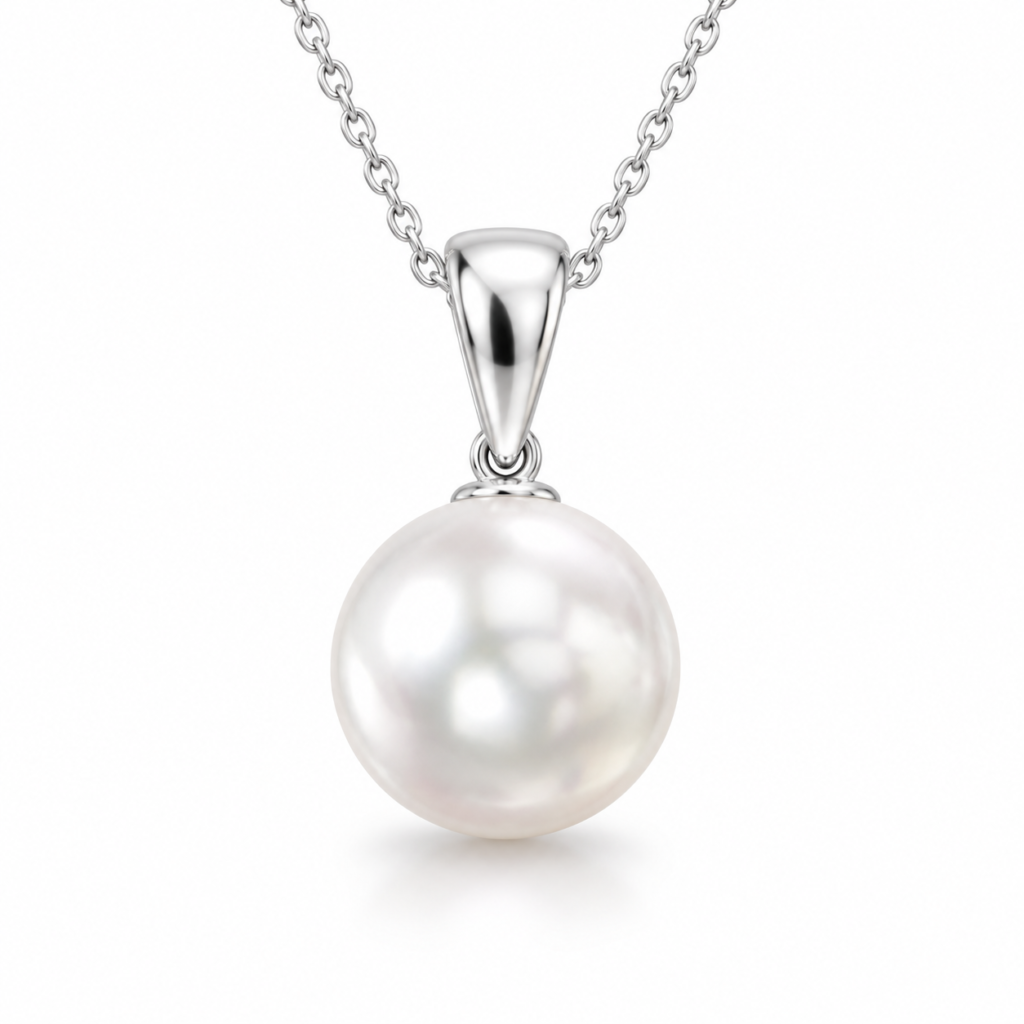
Akoya Pearls
Akoya pearls are the classic choice for a round, refined look. Their bright, crisp luster creates a clearer mirror-like effect than the softer glow associated with many other pearl types.
White and cream body colors with rose, silver, or ivory overtones suit polished studs, matched strands, bridal jewelry, and understated everyday pieces.
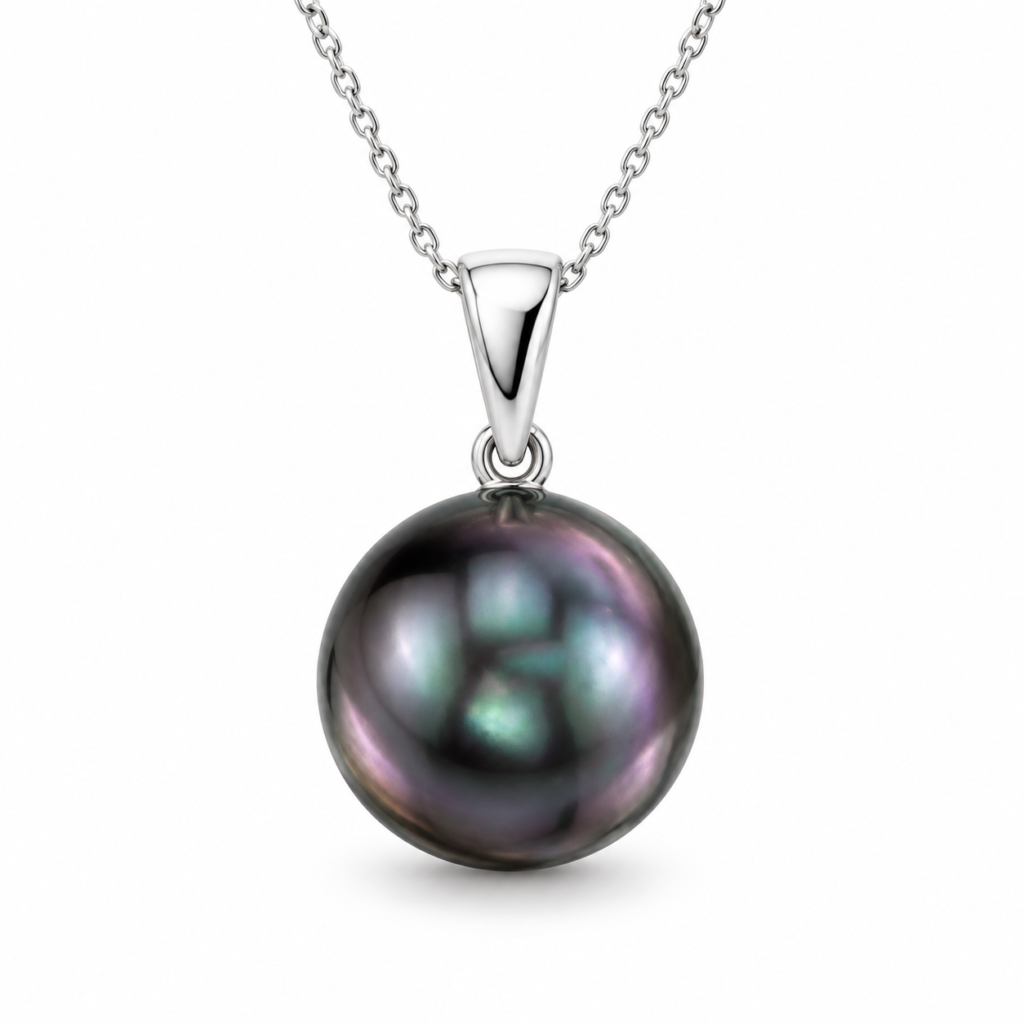
Tahitian Pearls
Often called black pearls, Tahitian pearls are rarely flat black. Their naturally dark body colors can carry charcoal, silver, green, blue, violet, aubergine, and peacock overtones.
Their larger scale and shifting color make each pearl feel individual. They work especially well when you want a pendant, drop earring, bracelet, or men’s piece with visible character.
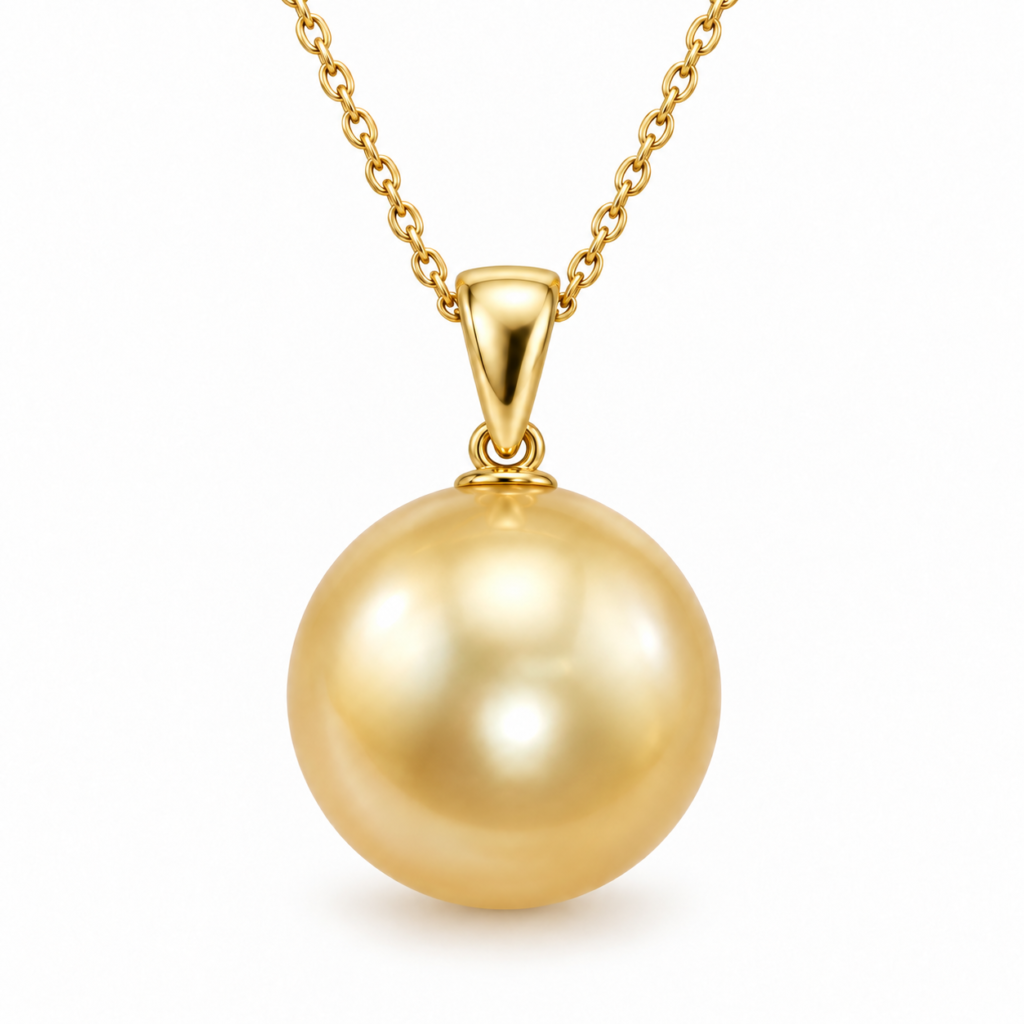
White and Golden South Sea Pearls
South Sea pearls are known for impressive size and a smooth, satin-like glow. Their luster feels softer and more spacious than Akoya’s crisp reflection, giving even simple settings a substantial presence.
White varieties show ivory or silver tones, while Golden South Sea pearls range from champagne to deep gold. Their scale and cultivation make them a higher-budget choice for fine jewelry and milestone gifts.
Related guides
Sources and review: General guidance references GIA Pearl Description and GIA Pearl Quality Factors. Reviewed against the SUHA Pearl Fact Sheet on September 26, 2026. Exact product specifications may fall outside common ranges.
For the most flexible choice, start with freshwater.
Explore the widest range of SUHA styles, then check the exact size, color, luster, surface, and setting on each product page. Typical ranges are guides—not limits.