
Pearl color guide
What Colors Do Pearls Come In?
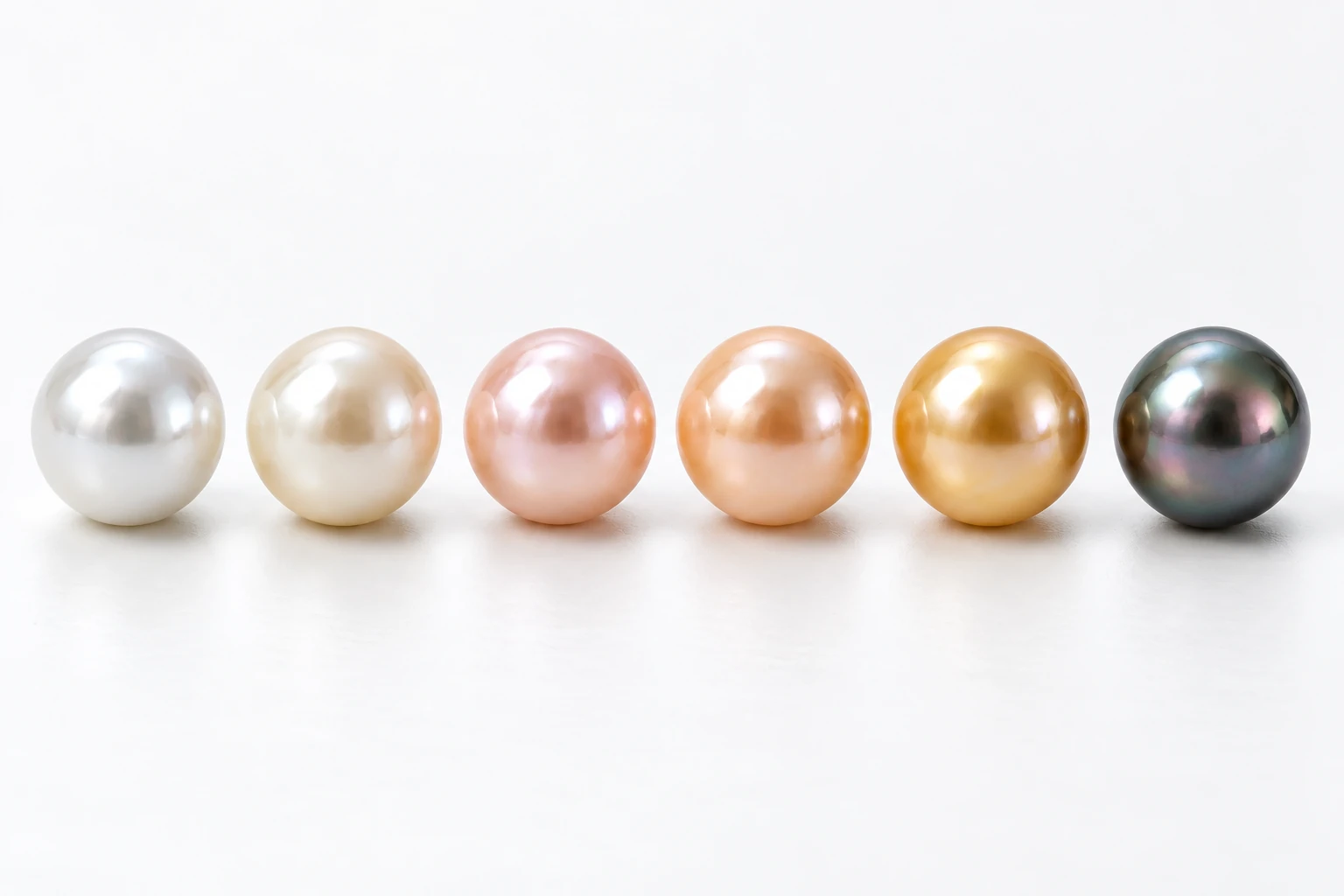
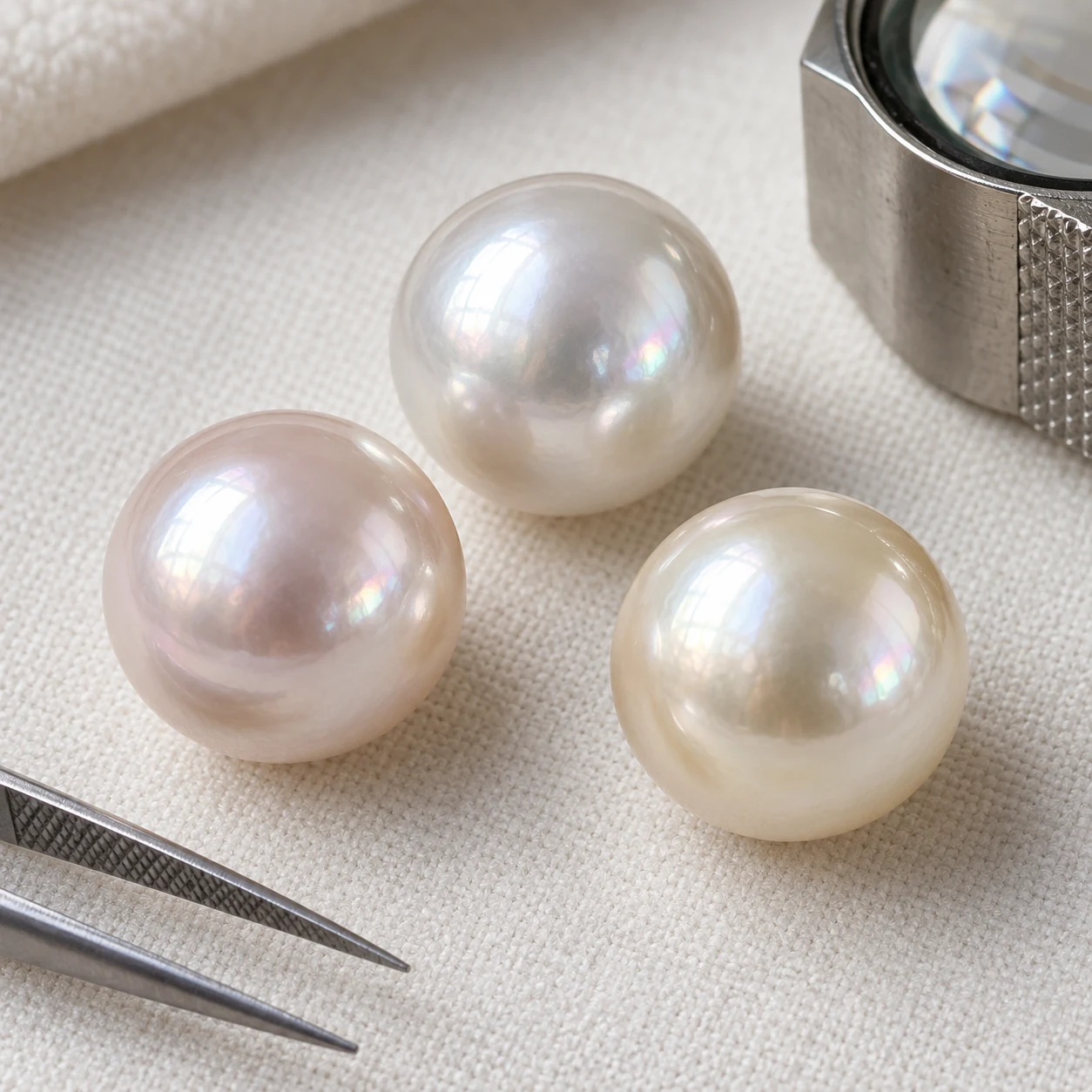
Why the same color can look different
Bodycolor, overtone & orient explained
These terms describe separate parts of a pearl’s appearance. Knowing the difference makes product descriptions much easier to compare.
Bodycolor
The dominant overall color you notice first. Every pearl has a bodycolor.
Overtone
A translucent secondary color over the bodycolor—often rose, silver, green, or cream. Some pearls show it clearly; others do not.
Orient
A shifting, multi-color iridescence that seems to move as the pearl or viewing angle changes. It is not visible on every pearl.
In practice: two pearls both sold as “white” can feel cool, rosy, or creamy because their overtones and luster differ. Color is one value factor—not a standalone quality grade.
Color begins with pearl type
Which pearl types produce which colors?
Freshwater, Akoya, Tahitian, and South Sea pearls have different characteristic palettes. Start with type to understand whether a color is typical, unusual, or likely treated.
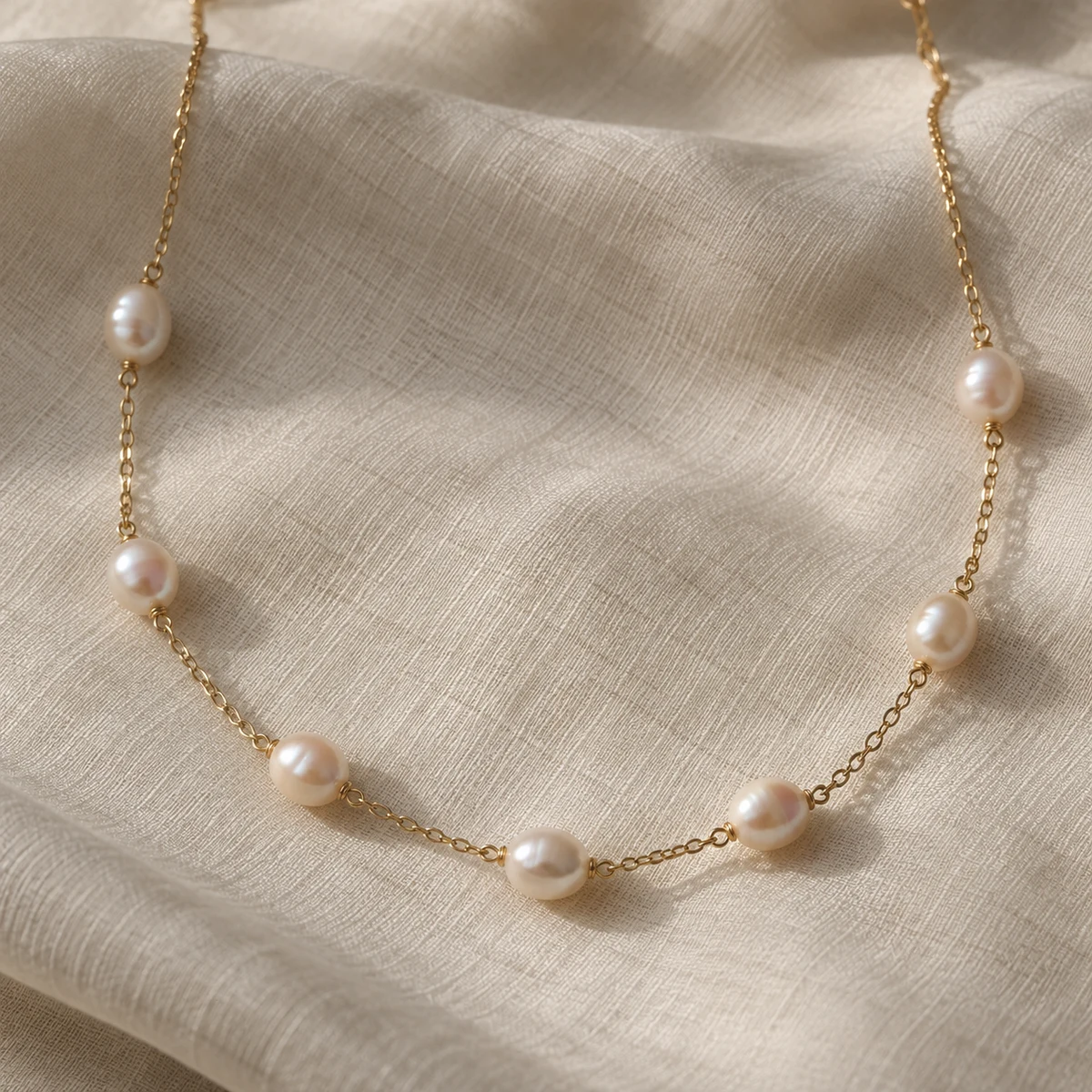
Freshwater
SUHA focusWhite, cream, blush, peach, lavender, and related warm pastels.
Character: versatile, individual, easy to wear
Know: dark or vivid colors may be treated
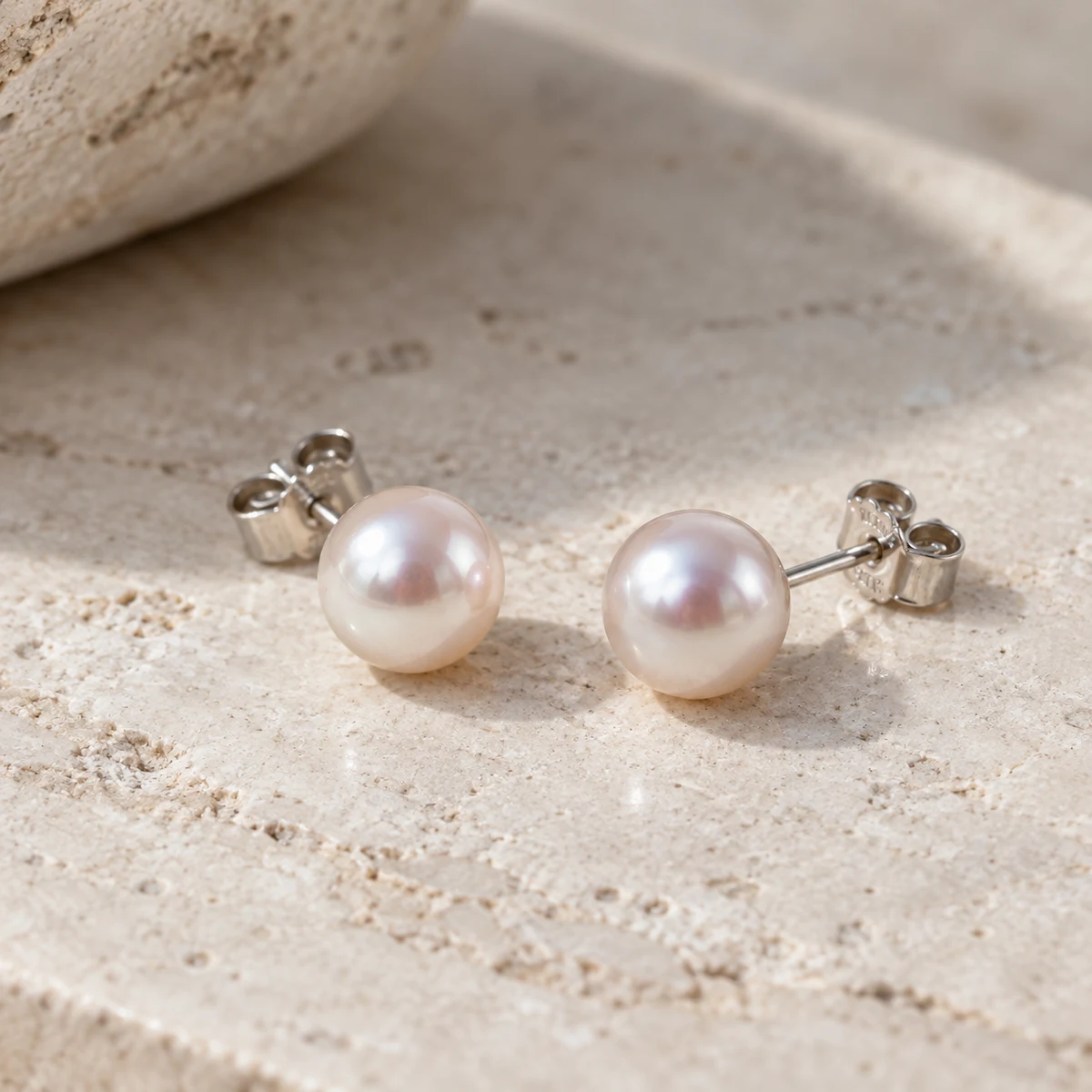
Akoya
Usually white to cream with rose, silver, or green overtones.
Character: crisp, polished, classic
Know: black Akoya is a treated look
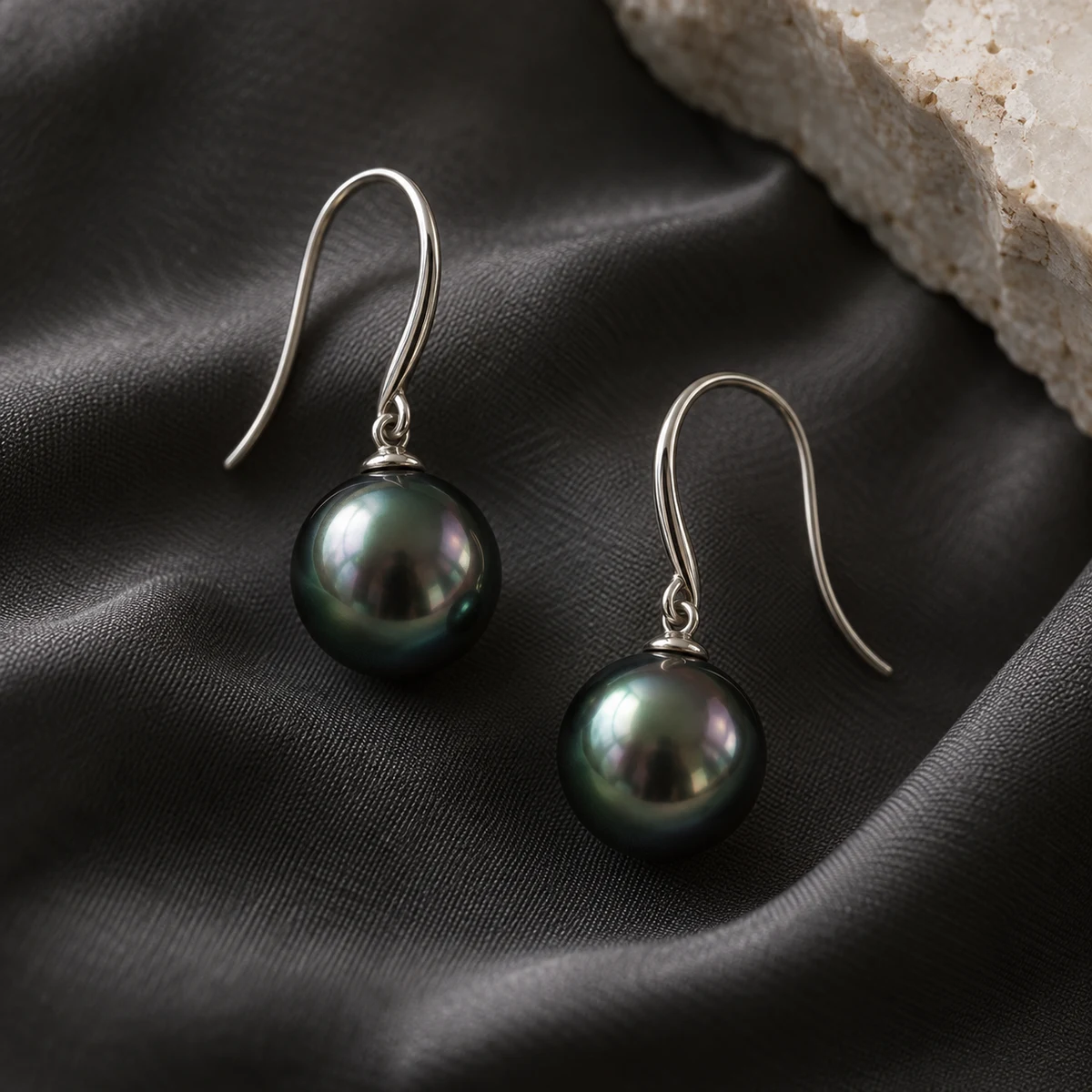
Tahitian
Silver, gray, green, brown, and near-black with colorful overtones.
Character: deep, modern, expressive
Know: “black” usually means varied dark tones
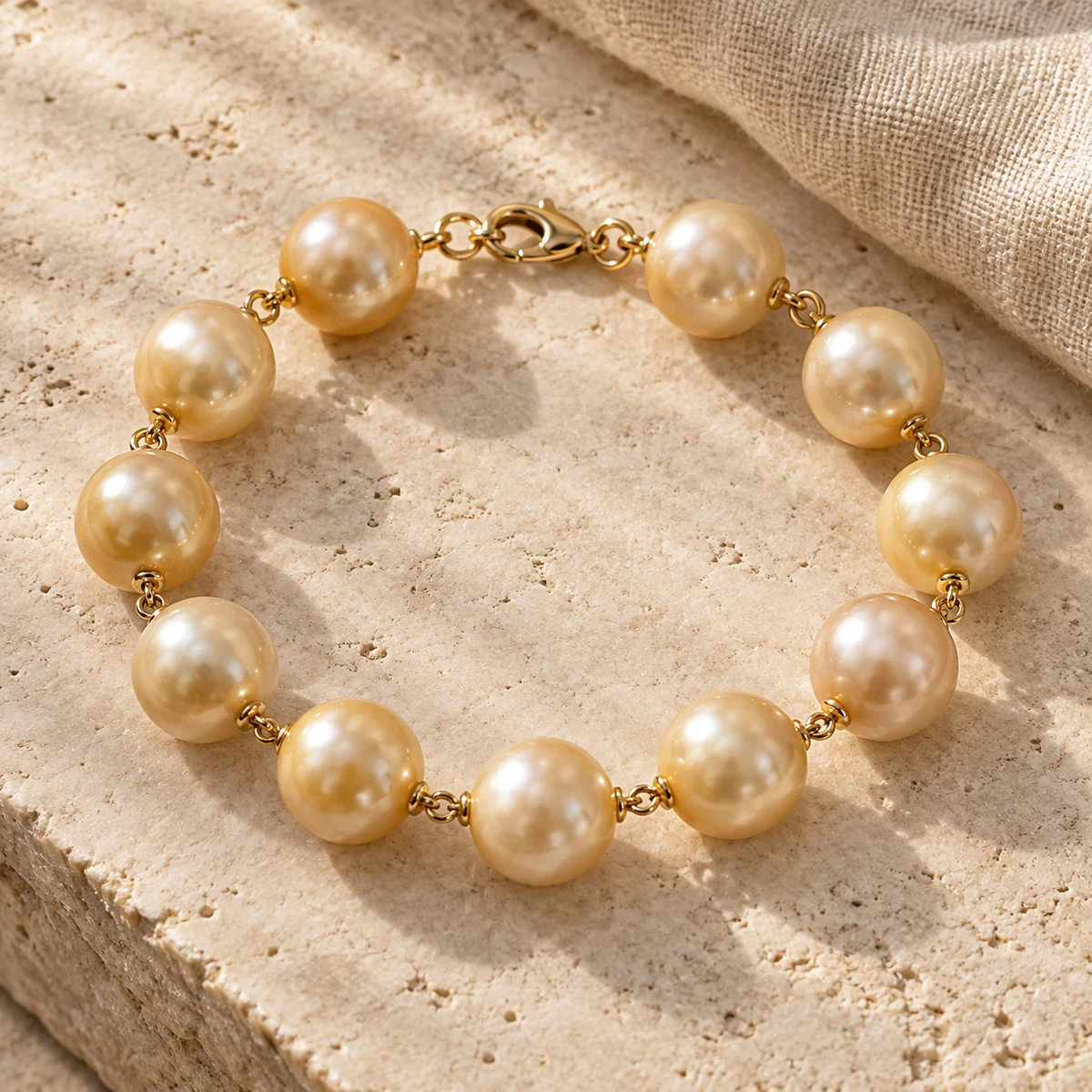
South Sea
White, silver, cream, champagne, and gold, often at a larger scale.
Character: soft, luminous, statement-making
Know: golden is different from warm ivory
These concept photographs show general type and color direction, not specific product listings. Exact color, size, shape, treatment, and availability vary by piece.
A closer look at SUHA’s main category
Freshwater pearl colors: white, pink, peach & lavender
Freshwater pearls deserve the deepest explanation here because they combine a broad natural pastel palette with varied shapes and approachable everyday styling. Dark freshwater colors are also available, but they require clearer treatment disclosure.
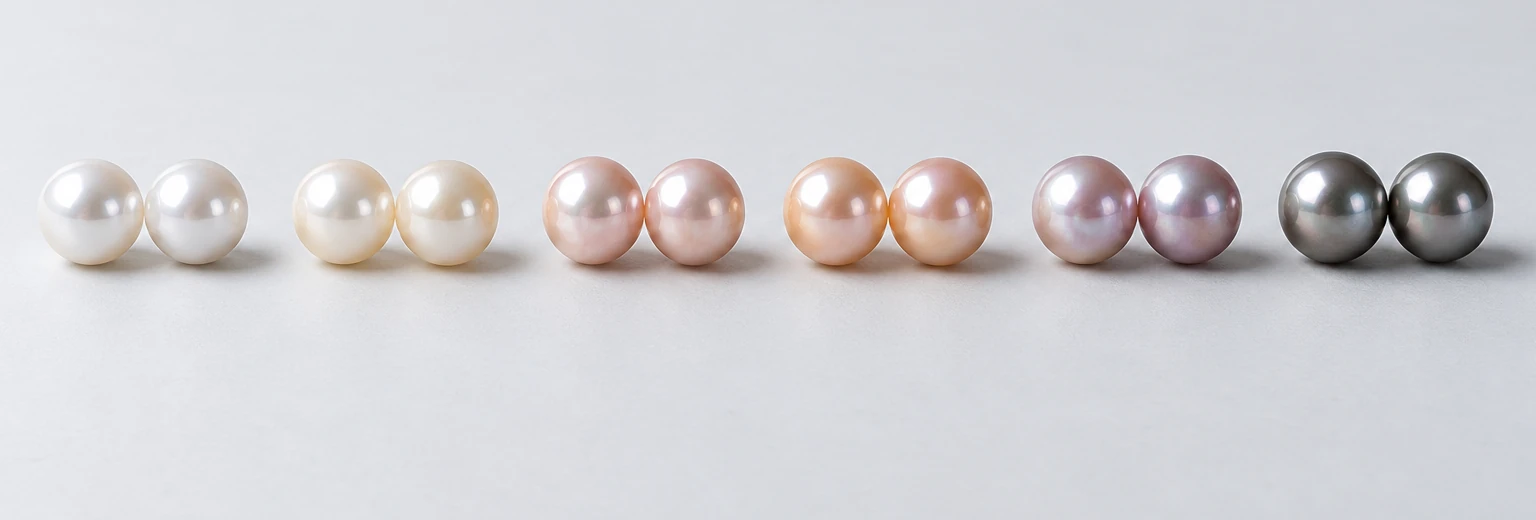
Bright white
The crispest freshwater option. Silver or subtle rose overtone can make the same white bodycolor feel cooler or softer.
Cream & ivory
Warmer and gentler than bright white. It connects naturally with yellow gold, linen, camel, and everyday neutrals.
Blush & pink
A signature freshwater direction. Pale blush reads almost neutral; deeper pink makes the color visible from farther away.
Peach & apricot
Warm without the stronger yellow of Golden South Sea pearls. Especially harmonious with rose or yellow gold.
Lavender & mauve
Distinctively freshwater. It can shift from cool lilac to dusty rose or brownish mauve as the lighting changes.
Treated dark colors
Black, charcoal, blue, or green freshwater appearances are commonly color-treated. Attractive is fine; clear disclosure is essential.
Read labels precisely: “Edison” is a freshwater trade category, not one fixed color or quality grade. Use each product page for the exact bodycolor, overtone, treatment, metal, and availability.
From loose pearl to finished jewelry
How pearl color changes when worn
A pearl is never viewed in isolation. Metal, clothing, skin, room light, and screen settings all influence whether the same pearl appears crisp, warm, muted, or dramatic.
Let the setting support the undertone
White metals sharpen white, silver, blue, and cool lavender. Yellow and rose gold connect cream, blush, peach, champagne, and golden tones.
Choose contrast or continuity
Bright white and dark pearls make a clearer statement. Cream, blush, and peach blend more softly with warm neutrals and skin-adjacent colors.
Compare more than one view
Warm indoor light strengthens ivory and gold. Cool daylight can reveal silver, blue, green, or lavender shifts that a studio image may soften.
A better rule than “match your skin tone”: start with the contrast you enjoy and the colors already in your wardrobe. Then compare the exact pearl beside the metal you intend to wear.
Origin and disclosure
Natural color, treatment & what to ask
Color treatment is not automatically a flaw. The important issue is whether the seller identifies the pearl type and clearly discloses known treatment so you can compare like with like.
Typical natural-color directions
These are characteristic ranges, not absolute boundaries.
When disclosure matters most
Do not try to authenticate pearl color from a screen alone.
Important distinction: “natural color” does not mean “natural pearl.” A cultured pearl can have a naturally occurring, untreated color.
Before you buy
Four checks that matter online
Evaluate the exact piece, not only the color name. Photography, luster, matching, and treatment can all change the final impression.
Look for daylight and multiple views
Compare still images, video, and more than one lighting condition whenever they are available.
Prioritize luster before rarity
Bright, clear reflections usually add more visible refinement than a rare-sounding shade with dull luster.
Review matching as a group
For earrings, strands, and sets, the pearls should feel balanced even when natural tone variation remains visible.
Confirm type and treatment
The same color word can describe very different pearls. Verify type and any known color enhancement on the listing.
Before checkout: confirm the exact item’s pearl type, color description, known treatment, metal, dimensions, and return terms.
Choose the color you will want to wear again.
Start with the palette you enjoy, use pearl type to narrow the choice, then confirm the exact piece’s luster, overtone, treatment, metal, and availability.
Quick answers
Pearl color questions
Which pearl color is the most versatile?
White and soft cream are easy starting points. White creates clearer contrast; cream and ivory feel warmer. Strong luster matters more than finding one universally correct shade.
Which pearl type has the widest natural color range?
Freshwater pearls are especially versatile in white, cream, pink, peach, lavender, and related pastel directions. Tahitian pearls offer a broad naturally dark palette, while South Sea pearls define the larger white-to-golden range.
Are black freshwater pearls natural?
Black and other dark freshwater appearances are commonly produced through color treatment. Tahitian pearls naturally occur across silver, gray, green, brown, and near-black bodycolors. Ask for disclosure for the specific pearl.
Does natural color mean natural pearl?
No. “Natural color” describes an untreated color, while “natural pearl” describes how the pearl formed. A cultured pearl can have naturally occurring color.
Does a stronger color mean a better pearl?
No. Color is one quality factor and often a matter of preference. Judge it with luster, size, shape, surface, nacre, and matching.
Should pearl color match my skin tone?
Use complexion advice as a suggestion, not a rule. Your wardrobe, metal setting, preferred contrast, and the exact pearl’s luster are usually more useful decision points.